
As America celebrates its 250th anniversary, it’s remarkable to consider how much has changed—and how much has remained the same.
Our homes may look different than they did in 1776, but the purpose of a roof remains unchanged: to protect what matters most.
For centuries, American builders have adapted roofing designs and materials to meet the challenges of climate, technology, aesthetics, and durability. Here in New England, where weather can be both beautiful and unforgiving, the evolution of roofing tells an important story about American innovation and craftsmanship.
At Connecticut Roofcrafters, we see ourselves as part of that story.
The Saltbox Roof: A New England Original
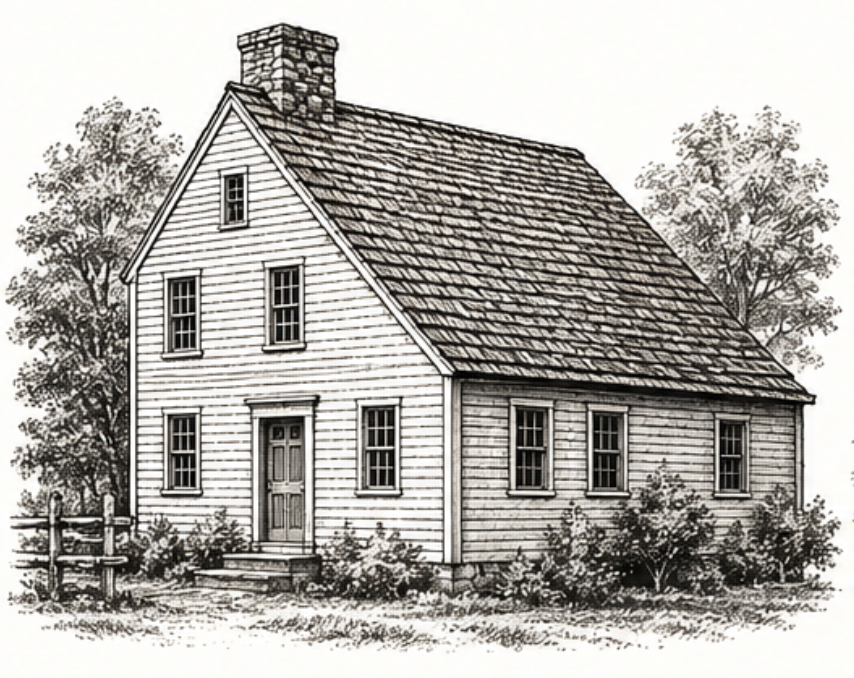
Few roof designs are more closely associated with early America than the Saltbox.
Developed in Colonial New England during the 1600s and 1700s, Saltbox homes featured a distinctive asymmetrical roofline—a short front slope and a long rear slope that extended down toward the first floor.
The design was practical and efficient. The steep pitch helped shed heavy snow during harsh New England winters while allowing homeowners to expand living space without significantly increasing construction costs.
Many of these homes were roofed with hand-split cedar shingles harvested from local forests. While the materials were simple, the craftsmanship required to create and install them was substantial.
Even today, centuries later, Saltbox homes remain one of the most recognizable symbols of New England architecture.
Cedar, Craftsmanship, and the Early American Roof
Throughout much of America’s early history, wood was king.
Cedar shingles became the preferred roofing material throughout New England because they were abundant, naturally resistant to insects and decay, and relatively lightweight.
A properly installed cedar roof was a testament to the skill of the craftsman. Each shingle was carefully positioned to create multiple layers of protection against wind, rain, and snow.
Many of the roofing principles established during this era—proper water shedding, ventilation, flashing details, and attention to weather exposure—remain essential to roofing today.
The tools have changed, but the fundamentals have not.
The Rise of Slate Roofing
By the 1800s, America’s growing transportation network made new materials available to homeowners.
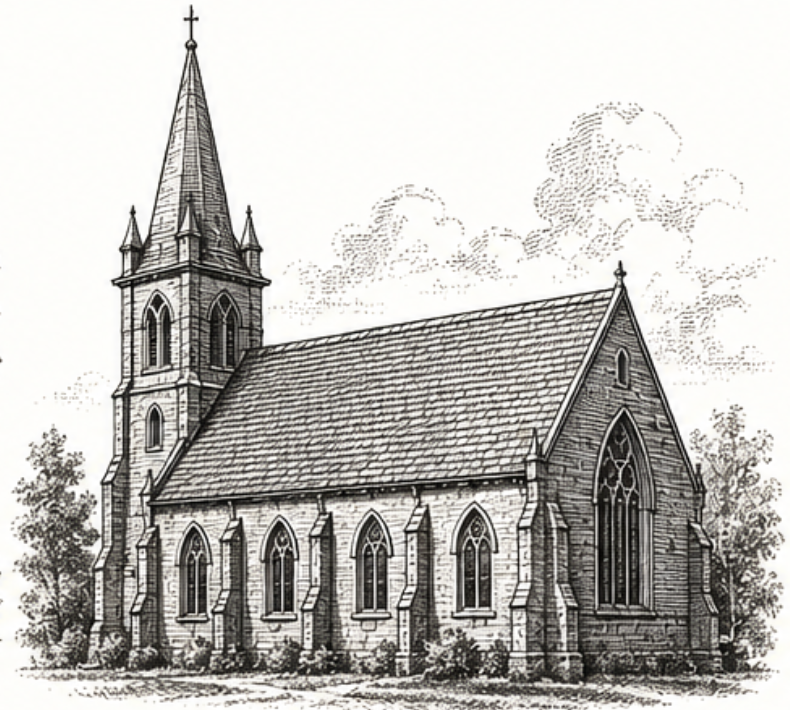
Slate roofing became increasingly popular throughout the Northeast, particularly on churches, civic buildings, estates, and high-end residences.
Homeowners were drawn to slate for its beauty and extraordinary longevity. Properly installed slate roofs could last more than a century, and many continue protecting homes today.
Slate also reflected a growing appreciation for architecture. Roofs were no longer viewed solely as protective coverings; they became defining design elements that contributed to the character and prestige of a home.
Many historic Connecticut homes still showcase original slate roofs that have weathered generations of New England seasons.
Victorian Architecture and Complex Roof Design
The Victorian Era transformed the American roof.
As architectural styles became more elaborate, roofs evolved from relatively simple structures into complex compositions featuring dormers, turrets, valleys, gables, and decorative trim.
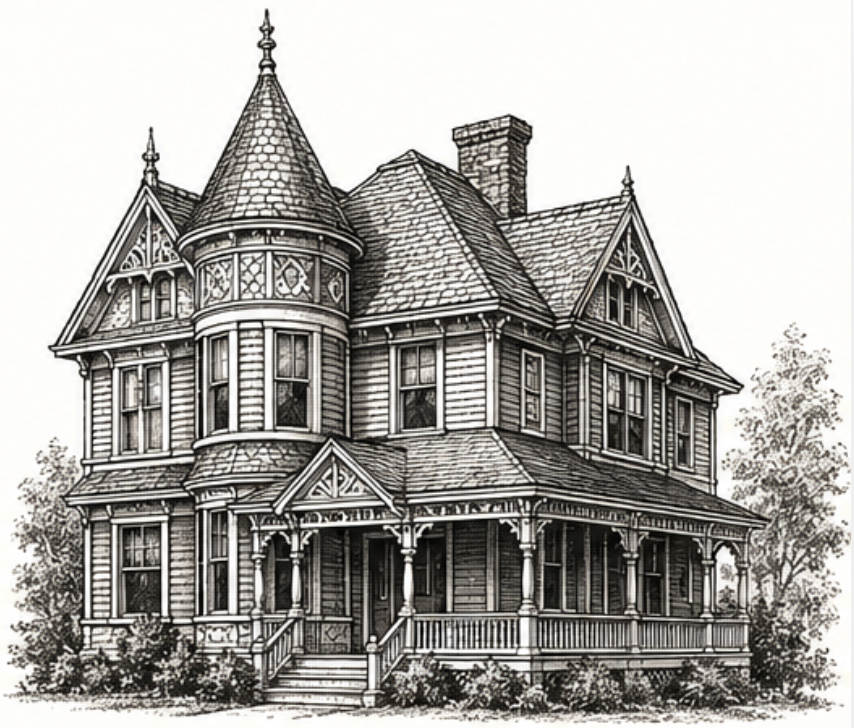
These designs demanded a higher level of craftsmanship from builders and roofers alike.
Water management became more sophisticated. Flashing details became increasingly important. Roof geometry itself became part of the home’s visual identity.
Even today, restoring a Victorian roof requires specialized knowledge and an appreciation for the artistry of the original builders.
Asphalt Shingles Transform America
No roofing innovation has influenced American housing more than the asphalt shingle.
Introduced in the late 19th century and refined throughout the 20th century, asphalt shingles made durable roofing more affordable and accessible for millions of homeowners.
Following World War II, as suburban communities expanded across America, asphalt shingles became the dominant residential roofing material.
Their popularity stemmed from several advantages:
- Cost-effectiveness
- Ease of installation
- Reliable weather protection
- A wide range of colors and styles
- Improved fire resistance
Today, asphalt shingles remain the most common roofing material in the United States, but modern versions are far more advanced than those installed decades ago.
Architectural shingles now provide enhanced durability, dimensional appearance, and longer service life while maintaining the traditional aesthetic homeowners value.
Metal Roofing Makes a Comeback
While metal roofs have existed for centuries, today’s standing seam metal roofing systems represent a remarkable evolution in performance.
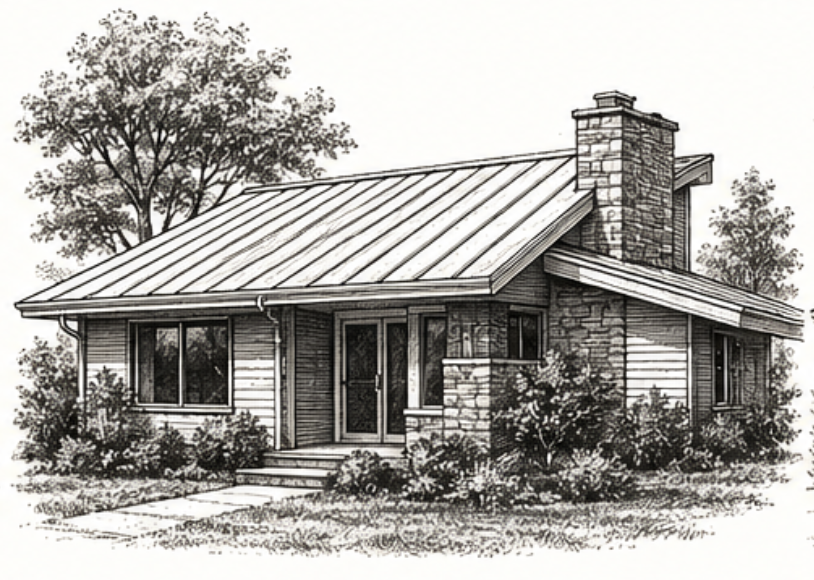
Modern metal roofs offer exceptional durability, energy efficiency, weather resistance, and longevity. Many are capable of lasting 50 years or more with minimal maintenance.
Particularly in New England, where roofs must withstand snow loads, ice, wind, and seasonal temperature fluctuations, standing seam metal roofing has become increasingly popular among homeowners seeking long-term performance.
The clean lines and timeless appearance also complement both historic and contemporary architecture.
Modern Roofing Is a Complete System
Perhaps the biggest difference between a roof in 1776 and a roof in 2026 isn’t what homeowners can see—it’s what they can’t.
Today’s roofing systems incorporate advanced technologies designed to improve performance and protect homes more effectively than ever before.
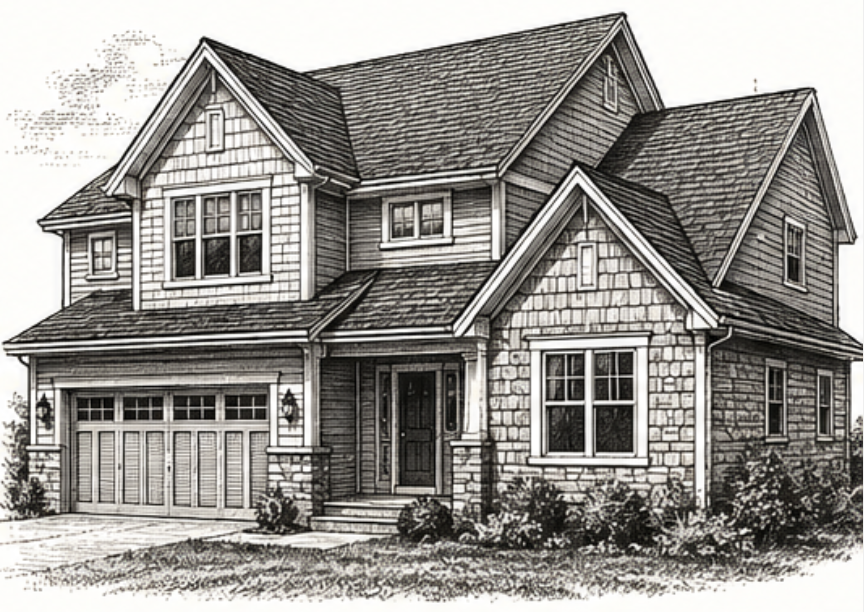
Modern roofs may include:
- Ice and water shield membranes
- Synthetic underlayments
- Engineered ventilation systems
- Advanced flashing components
- High-performance ridge ventilation
- Impact-resistant materials
- Energy-efficient roofing products
A modern roof is no longer simply a covering. It is a carefully engineered system designed to manage water, control airflow, improve energy efficiency, and maximize long-term durability.
Tradition Meets Innovation
Looking back across 250 years of American history, one theme stands out.
The best roofing innovations have never abandoned craftsmanship—they have enhanced it.
The Colonial carpenter installing cedar shingles on a Saltbox home and the modern roofing professional installing a standing seam metal roof share something important: a commitment to protecting families and creating work that lasts.
At Connecticut Roofcrafters, we believe the future of roofing lies in combining the best of both worlds.
We respect the architectural traditions that define New England. We appreciate the craftsmanship of earlier generations. And we embrace modern materials, installation methods, and building science that allow today’s roofs to perform better than ever before.
From Colonial Saltboxes to modern roofing systems, America’s roofs tell a story of innovation, resilience, and craftsmanship.
As we celebrate 250 years of American history, we’re proud to continue that tradition—one roof at a time.